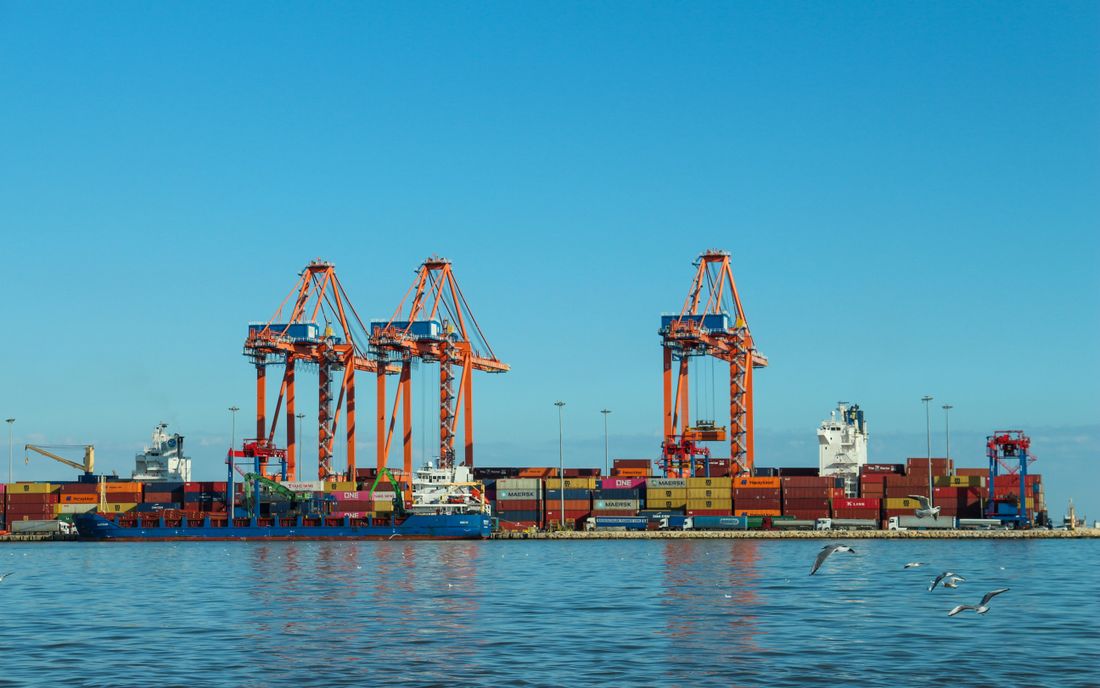
Imported Goods Awaiting Clearance: Counting and Documenting Them
Goods that have arrived but are not yet cleared need extra care. What to record, what not to touch and which questions go to your customs broker.
Your shipment has arrived in Uzbekistan, but it has not yet been cleared by customs. It stands somewhere under a roof, and you, far away, want to know what is really there. These goods are a special case. They are not yet freely available stock, they may be sealed, and opening or moving them may need a permission you do not hold. The right approach is to count and document with care, to touch as little as possible and to ask your customs broker before doing anything unusual.
First, learn the status of the goods
Do not assume that you may walk in. Ask your broker where the goods are held and under whose control, whether a visit is permitted and with what notice, whether packages may be opened or only counted from the outside, which documents show their status, and who holds the keys. The answers decide what a count can and cannot do. Rules on this subject depend on the type of goods and the procedure used, so take them from your broker and the competent authorities, not from this article.
What to record
- The container or vehicle number, the seal numbers and whether each seal is intact, with a photograph.
- The number of pallets or packages, set against the packing list.
- Marks, labels and descriptions on the outer packaging.
- External condition: wet, crushed, torn or open.
- Any visible sign of tampering or repair on the packaging, such as fresh tape or a different strap.
- The date the goods arrived and where exactly they stand.
- A photograph of every pallet label and of the whole group, with the date visible.
- For temperature-sensitive goods, the condition of the packaging and the storage arrangement, without interfering with either.
What not to touch
Leave a seal exactly as it is. Do not open packages, take samples, remove goods, move them out of the controlled area, relabel or repack them unless the broker confirms in writing that it is permitted and the proper procedure is followed. Do not mix the goods with cleared stock, even for a short time, and do not remove the customs marks. If a package is already open or leaking, photograph it and tell the broker the same day rather than closing it yourself. A well-meant tidy-up can turn into a delay or a dispute, and the cost of that is far greater than the value of the neat appearance.
Questions to put to the broker
- Under what status are the goods held, and for how long can they stay there?
- Who can authorise access, and what notice is needed?
- What documents will be issued at clearance, and in what order?
- Who is responsible for the condition of the goods while they wait?
- What daily storage charges accrue, and who pays them?
- If an inspection finds a difference from the packing list, how will it be recorded and who informs us?
An example (conditional figures)
The packing list shows 25 pallets with 48 cartons each, which is 1,200 cartons. The counter, working with the broker's agreement, finds 25 pallets with labels that match the list, a container seal that is intact in the photograph, and 14 outer cartons crushed or wet on two pallets. The report states: 25 pallets counted externally, matching the packing list; 14 cartons damaged on the outside and photographed; contents not verified; goods not yet cleared and shown separately from available stock. Nothing has been opened, and nothing needs explaining later.
Show goods awaiting clearance on a line of their own, apart from stock that can be sold or shipped on, and agree with your accountant how they appear in the books until clearance. This stops a healthy-looking total from hiding goods you cannot yet use. Keep the photographs with the clearance file as well: if the inspection or the unloading later reveals damage, they show what the condition was while the goods waited, which helps you and your broker or insurer decide who must answer for it. Ask them early, because time limits for claims may apply.
In short
Goods awaiting clearance need an external count, clear photographs and a separate place in the report. WarehouseDepo can count and photograph such goods in agreement with your broker and the site, and present them to you as a distinct line, clearly marked as counted externally.